We Match Out-the-Door Pricing Learn more

Free Shipping on most orders over $100

Audia Flight Strumento amplifiers, hand-built in Italy

Audia Flight: History & Technology

Thirty years of Italian amplifiers built to add nothing of their own, and to take full control of the speaker.

A Thirty-Year Idea, Built in Italy

Founded 1996 in Civitavecchia, Italy by engineers Massimiliano Marzi and Andrea Nardini. Their first amplifier, the Flight 100, shipped in 1997 after three years of listening and refining. 2026 is the company's 30th anniversary.
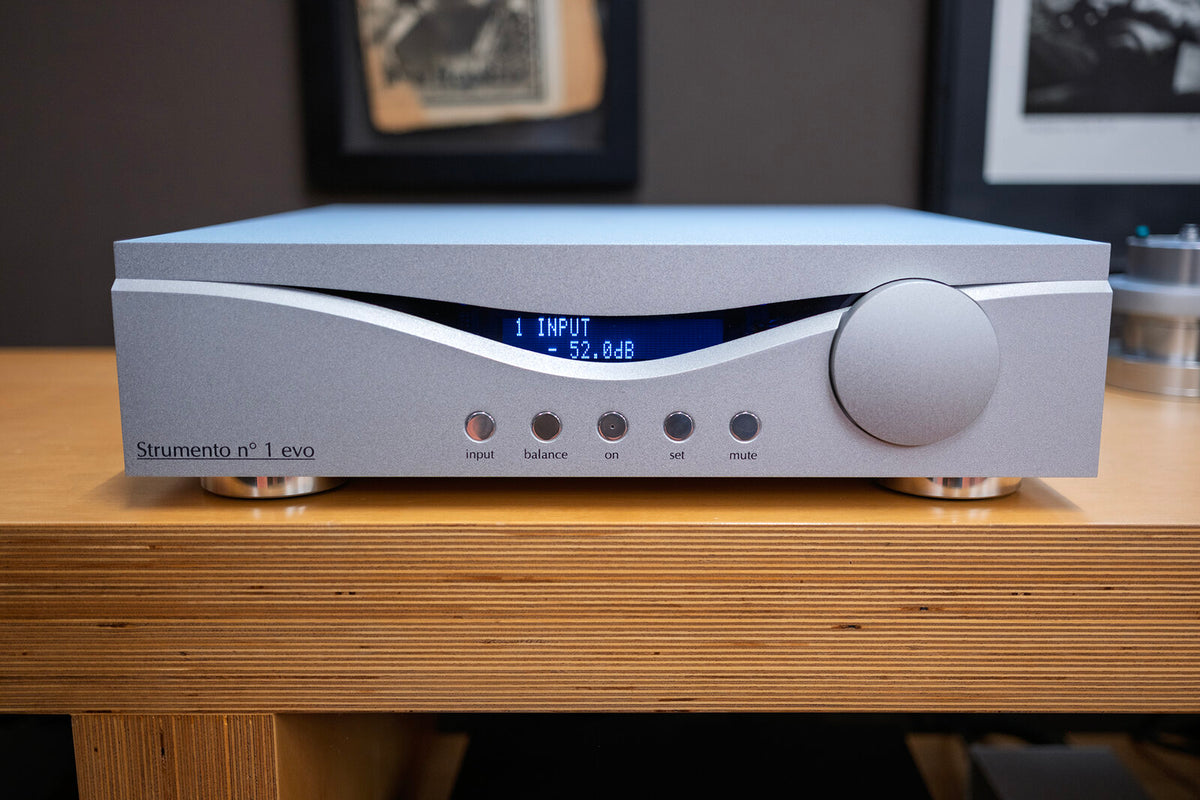
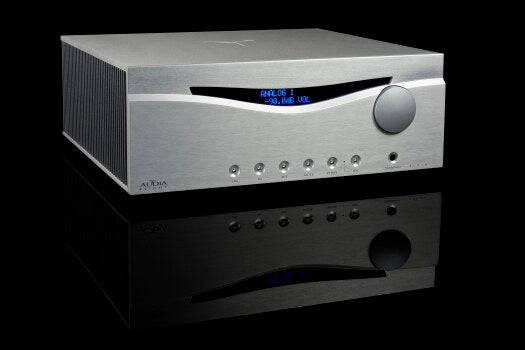
Audia Flight Strumento no.8 monoblock, three-quarter view

Audia Flight has spent thirty years on a single idea: an amplifier should pass the music through untouched and add nothing of its own.

The company was founded in 1996 in Civitavecchia, the old port city about 70 kilometers up the coast from Rome, by two engineers, Massimiliano Marzi and Andrea Nardini. They had a topology in mind from the start, current feedback, and they had it working on paper well before anything shipped.

What took the time was the listening. The circuit measured the way they wanted, but the first time they sat down with it, it sounded a little clinical. So they went part by part, swapping a capacitor, listening, swapping a resistor, listening, asking one question each time: did that make the music better? That back and forth ran from 1994 until the first amplifier, the Flight 100, shipped in 1997.

Thirty years later the method has not changed, and neither has the premise. Everything is still hand-built in Italy, with as many parts as possible sourced in Italy, and most of the range, all of the flagship Strumento, is built to order. 2026 is the company's thirtieth anniversary.

The original name was Audia, but we wanted to add a second word. A friend of ours suggested "Flight" simply because the company, just born, needed to fly.

- Massimiliano Marzi, co-founder, in Hi-Fi News

Do No Harm, Then Control the Speaker

The design goal is an amplifier with no sound of its own that takes absolute control of whatever speaker you connect. Three technologies get them there: current feedback, serious power supplies, and constant-impedance volume control.

Marzi and Nardini are engineers, and they are the first to say they did not invent any of the technology in an Audia Flight amplifier. What they did was pick the harder, better version of each choice and make it work together. The goal is an amplifier you do not hear. What you hear instead is the speaker, fully controlled, in the room you put it in.

Three decisions carry that goal, and they are the spine of everything below. First, current feedback, the amplifier topology almost nobody uses because it is difficult. Second, power supplies far larger than the specification sheet requires, because current feedback will not work without them. Third, a volume control that holds a constant impedance so nothing is lost as you turn it down. Take them one at a time.

Massimiliano Marzi, Co-founder, Audia Flight (SoundStage! Australia factory tour)

Here at Audia Flight we like using very big transformers and massive power supplies. Much bigger than needed. Our amplifiers provide high current, high dynamic headroom when required.

Massimiliano MarziCo-founder, Audia Flight (SoundStage! Australia factory tour)

What Current-Feedback Amplification Is

Feedback means sending part of the output back through the amplifier to correct itself. Voltage feedback (used by roughly 99% of amps) is cheap and measures very low distortion. Current feedback is rarer, harder, and better at the fast, transient part of music.

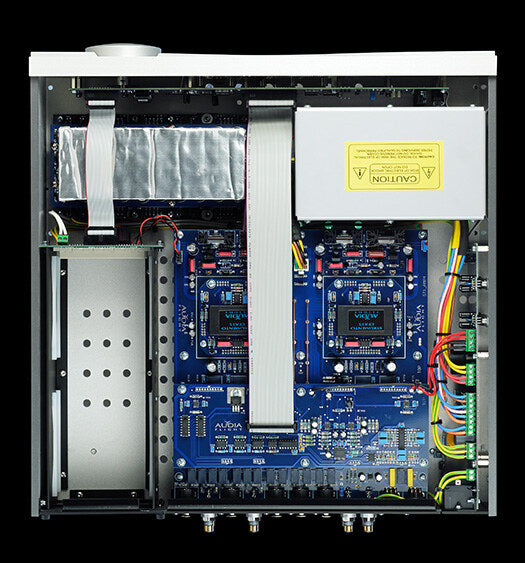
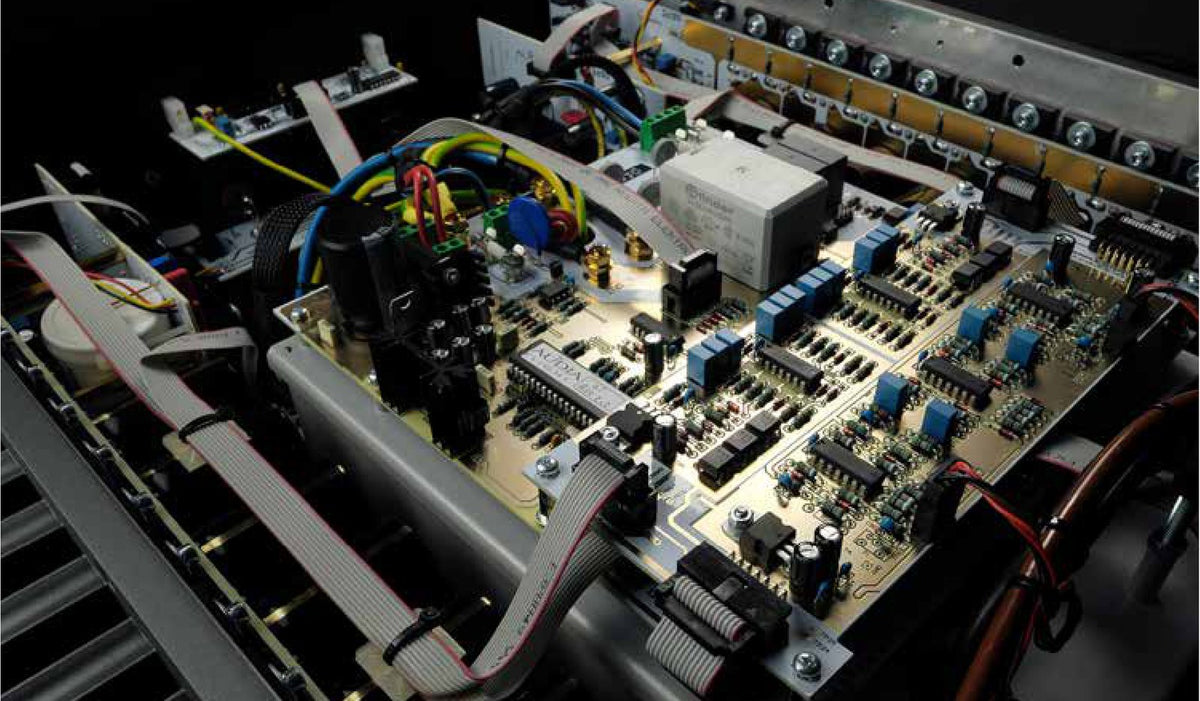
Audia Flight amplifier circuit board detail
Audia Flight amplifier circuit board detailEvery Audia Flight model uses current feedback, from the Strumento monoblocks down to the entry Flight Three S.

What Current-Feedback Amplification Is

Every modelCurrent feedback, down to the entry Flight Three S

Almost every amplifier ever made uses voltage feedback. It is well understood, cheap to build, and can sound excellent. Audia Flight went the other way and built the entire range around current feedback, a harder and more expensive topology.

Nearly every amplifier uses feedback: it takes a portion of the output signal, inverts it, and runs it back through the circuit to cancel errors. Done well, feedback lowers distortion, smooths the frequency response, and gives the amplifier a firm grip on the speaker. The question is which kind.

The common answer, in about 99 percent of amplifiers, is voltage feedback. It is easy, cost-effective, and measures extremely low harmonic distortion. Its weakness is high-speed transients, the sharp leading edge of a note, where it can hesitate or add a little phase shift that smears the image. Audia Flight uses current feedback instead. It is far less common because it leans hard on the power supply and costs more to build, but it does not stumble on transients and it holds lower phase shift, so timing and imaging stay intact. They use it across the entire range, down to the entry Flight Three S.

Our new approach would allow for both higher speed responses (risetime and bandwidth) and better load control, and thus produce a more accurate signal.

- Massimiliano Marzi, in Hi-Fi News
Why Transients Are the Whole Point

Total harmonic distortion (THD) is usually inaudible until around 1%. What you hear is transient intermodulation distortion (TIM), the smearing of fast attacks. Clean transients place instruments precisely in space, which matters most in dense music.

Audia Flight faceplate and volume control detail
Audia Flight faceplate and volume control detailA transient is the initial burst of a cymbal, a drum hit, the leading edge of a voice. Reproduce it cleanly and the sound lands in a specific place in the room.

Why Transients Are the Whole Point

0.3 Hz - 1 MHzStated bandwidth of the flagship Strumento, far beyond the audio band

The distortion you actually hear is not the harmonic distortion on the spec sheet. It is transient intermodulation distortion, and it is exactly what current feedback is built to avoid.

When people quote a distortion figure they usually mean THD, total harmonic distortion, which most amplifiers hold at 0.01 to 0.1 percent. You do not actually hear harmonic distortion until it reaches roughly one percent. The distortion you hear is TIM, transient intermodulation distortion, the smearing of the sharp attack at the front of a sound. That is the problem current feedback is built to avoid.

A transient is the initial burst: a cymbal crash, a drum strike, the leading edge of a voice. Reproduce it cleanly and two things happen. You hear what the instrument actually is, an upright piano rather than a grand, one violin rather than another. And you hear where it is. Transients place a sound in space, in front of or behind, left or right of the speakers. That separation is what holds a dense mix together, so you can still pick the first violins on the left and the timpani at the back of a full orchestra. The bandwidth helps: the flagship Strumento is rated from 0.3 Hz to beyond 1 MHz, and every line runs far past the audible range, so gain never squeezes that performance.

The Trade-offs They Accepted

Current feedback costs more and demands a far better power supply, which is why roughly 99% of makers use voltage feedback instead. Audia Flight thinks the transient performance is worth it, and they are not the first to agree; Accuphase and older Marantz designs used it too.

The Trade-offs They Accepted

Current feedback is not free. It carries slightly higher inherent noise and it is very sensitive to the quality of the power supply. That sensitivity is the reason most companies never go near it.

None of this is magic and Audia Flight does not pretend it is. Current feedback brings slightly higher inherent noise and, more importantly, it is very sensitive to power-supply quality. Feed it an ordinary supply and the advantage disappears. That is the whole reason most manufacturers choose voltage feedback: it is easier, cheaper, and forgiving.

There is a simple analogy for it. Getting more from an engine, you can turbocharge it or supercharge it. Turbocharging is easier and cheaper and nearly as effective, which is voltage feedback. Supercharging is harder to do but better, which is current feedback. Audia Flight decided the transient performance was worth the extra difficulty and cost, and then built the power supply to match. They are in good company: Accuphase and, years ago, some Marantz designs used current feedback too. What Audia Flight added was the discipline to do it across an entire range and to voice every model by ear.

Why Current Feedback Demands Serious Power

A good power supply lowers the noise floor, improves signal integrity, holds steady into difficult speaker loads, and runs cooler for longer life. Because current feedback is so supply-sensitive, Audia Flight over-builds here, and rates many amps down to 2 ohms.

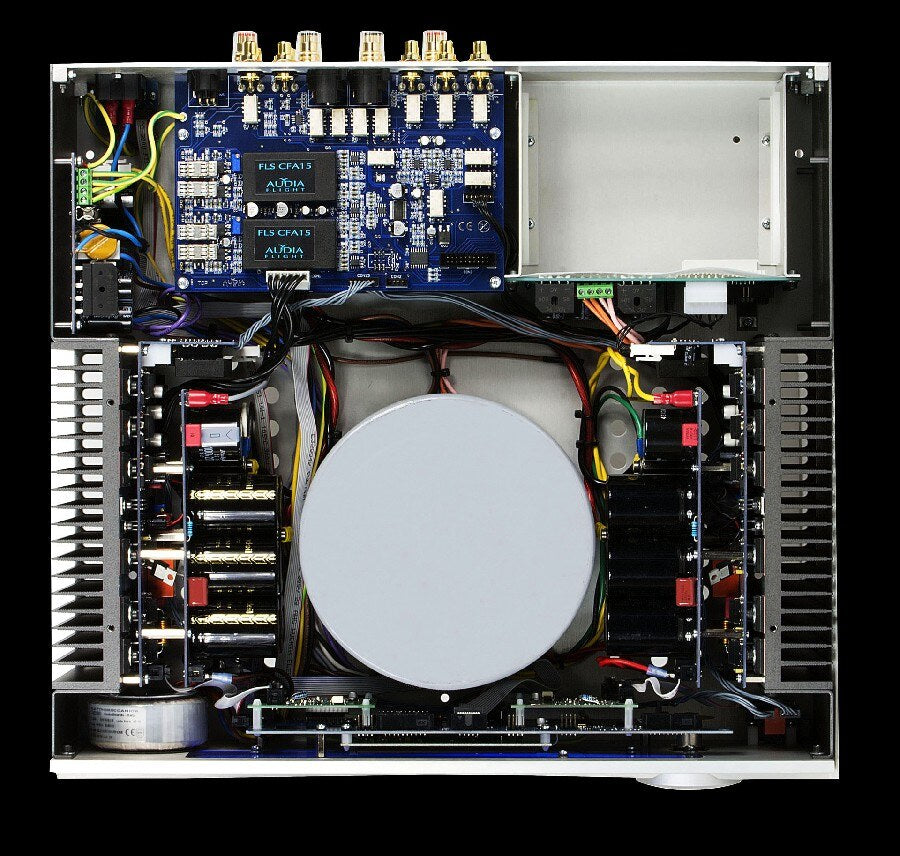
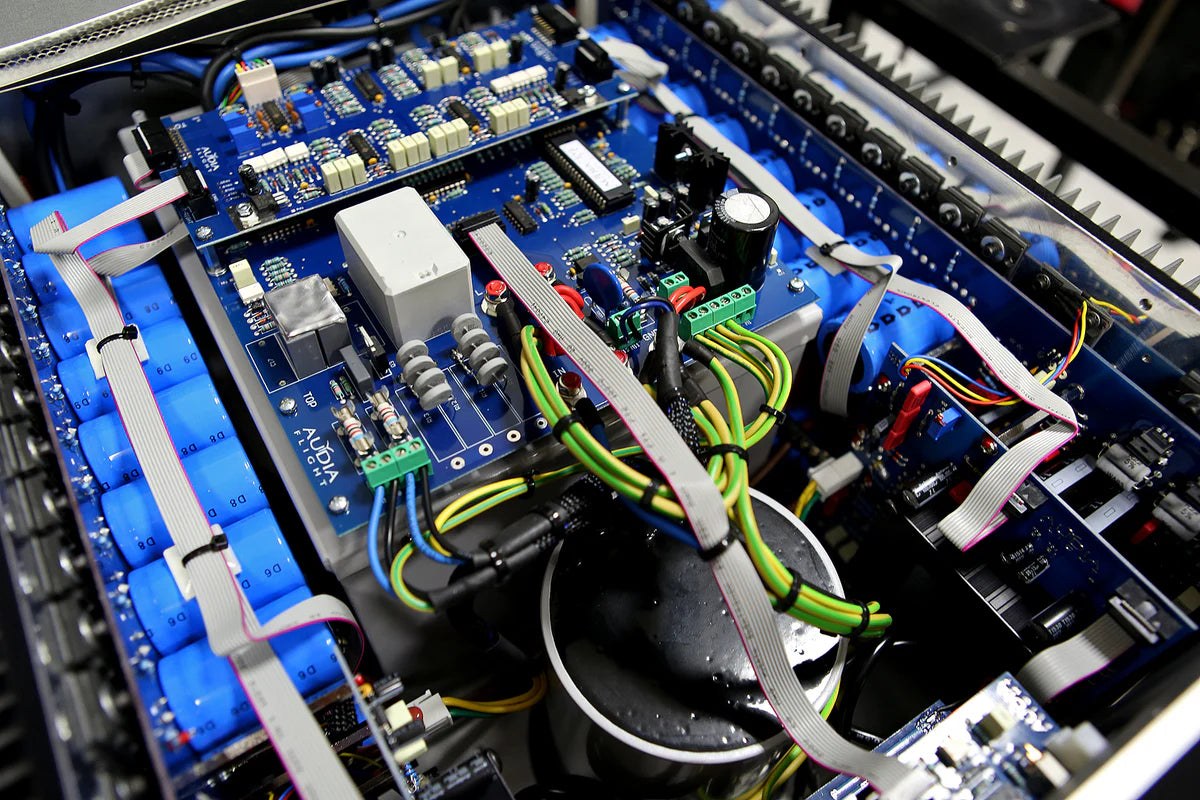
Audia Flight internal power supply, toroidal transformers and capacitors
Audia Flight internal power supply, toroidal transformers and capacitorsA better power supply lowers the noise floor, holds difficult loads, and runs cooler. Audia Flight rates many models down to 2 ohms because of it.

Why Current Feedback Demands Serious Power

2 ohmsFLS and Strumento are rated into 2-ohm loads

Current feedback only works on a rock-solid supply. That constraint turned into a signature: Audia Flight power supplies are far larger than the numbers require.

Current feedback needs a supply that does not flinch, whatever the wall gives it and whatever the speaker demands. That is a hard constraint, and Audia Flight turned it into a habit of over-building. The general benefits of a serious supply are not exotic: a lower background noise floor, better signal integrity, the ability to hold a steady grip when the load gets difficult, and less heat, which means longer life.

You can see the result on the spec sheets. Where many makers rate an amplifier into 8 and 4 ohms and stop, Audia Flight measures FLS and Strumento models down to 2 ohms, because the supply can actually deliver there. Good amplifiers tend to start with good power supplies. Audia Flight starts there and keeps going.

Inside the Strumento Power Supply

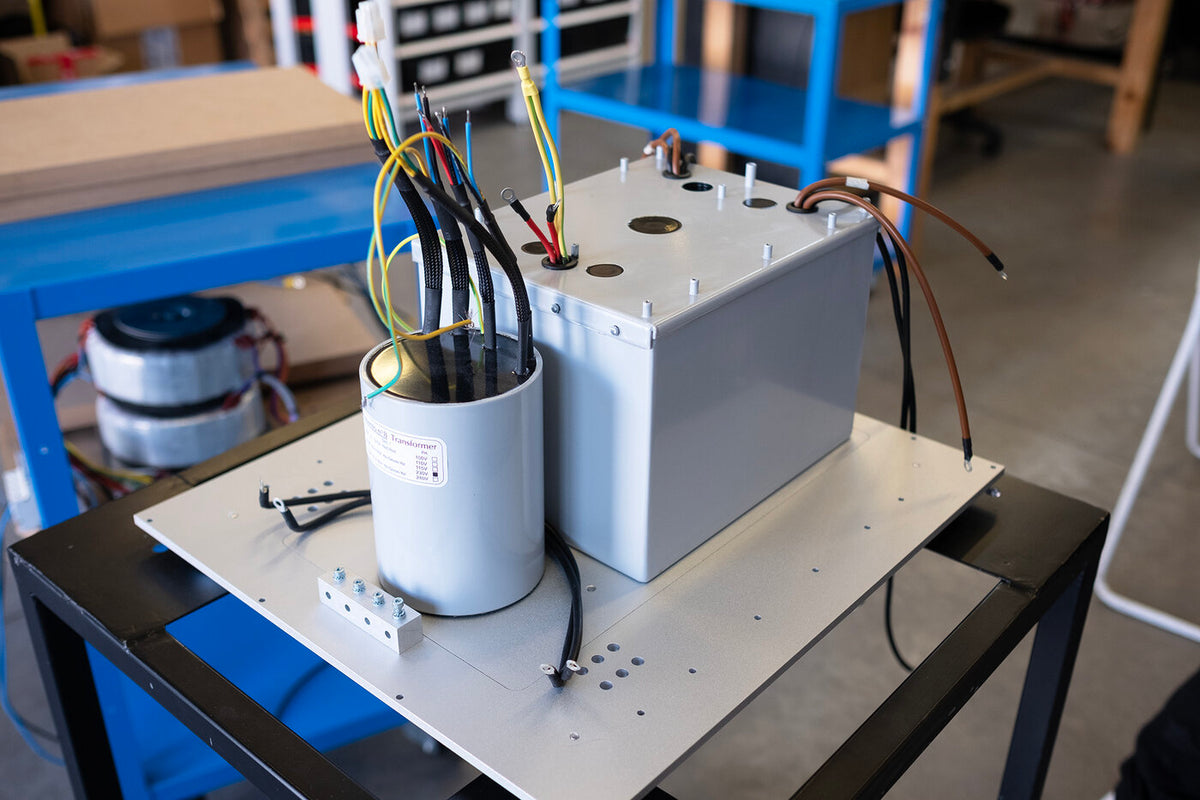
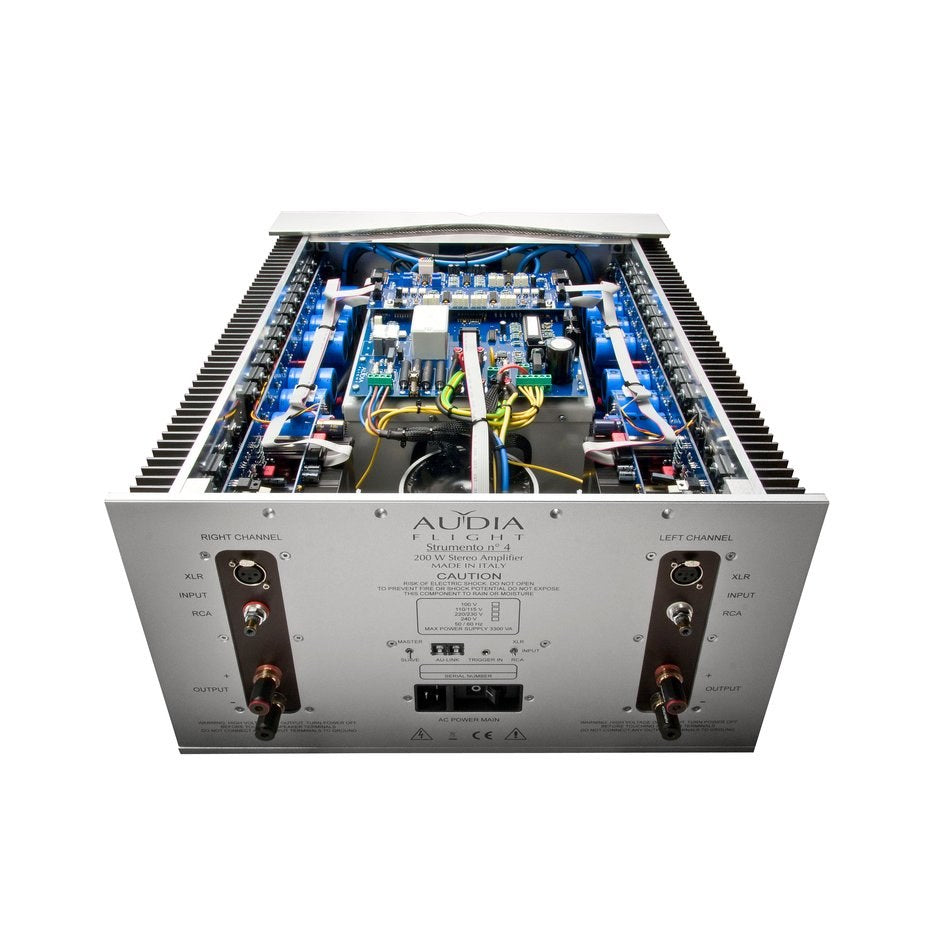
The Strumento monoblock transformer is double-boxed and epoxy-filled to kill resonance, weighs over 100 lb, and sits on a decoupled section of chassis. Separate transformers feed the input stage, the current-feedback stage, and the logic. Storage is roughly 200,000 microfarads per monoblock.

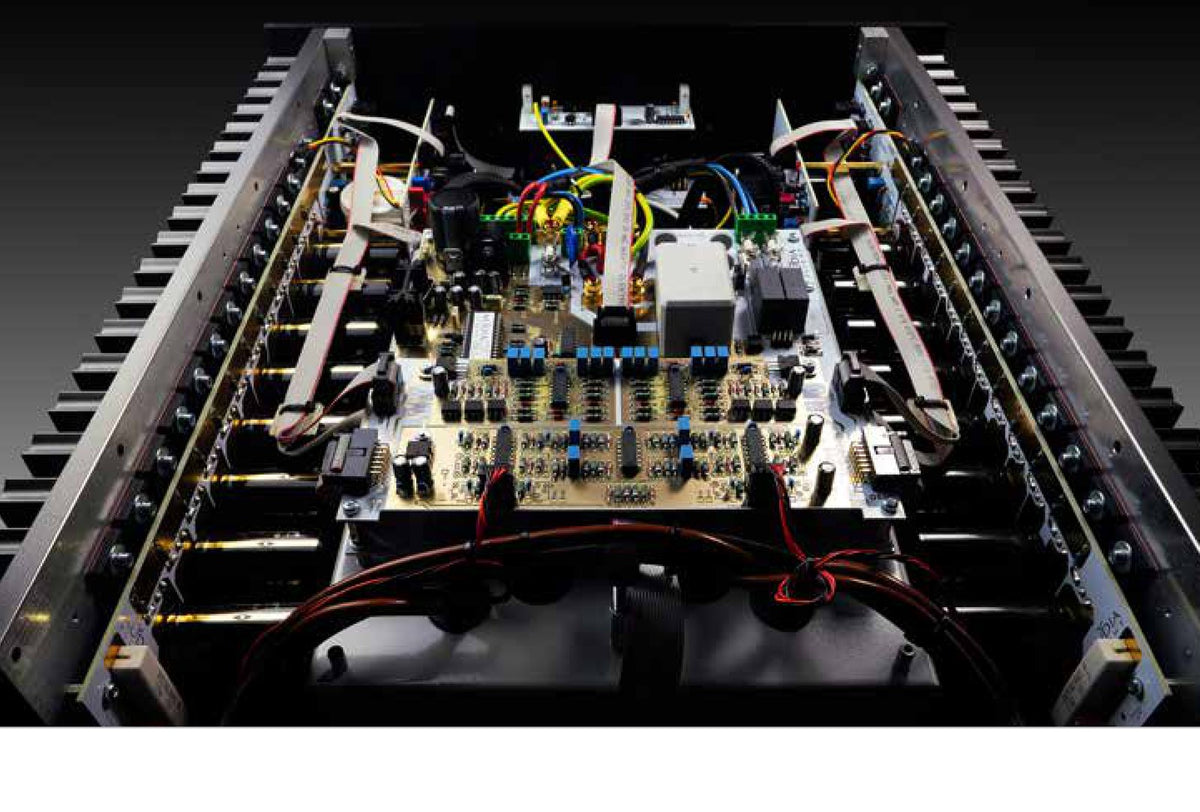
Audia Flight Strumento monoblock internal chassis, transformer assembly and capacitor banks
Audia Flight Strumento monoblock internal chassis, transformer assembly and capacitor banksIn the Strumento monoblock, the transformer sits in a double box, epoxy-filled and decoupled from the chassis. That assembly alone weighs over 100 pounds.

Inside the Strumento Power Supply

~200,000 uFStorage capacitance in a single Strumento monoblock

The flagship shows what the philosophy looks like in metal: a transformer assembly over 100 pounds, separate transformers for each stage, and roughly 200,000 microfarads of storage per monoblock.

The Strumento monoblock is the clearest example. The main transformer sits inside two nested boxes so power-supply noise never reaches the electronics, and the whole assembly is filled with epoxy to kill resonance. That one part weighs more than 100 pounds, and in the Strumento it rides on a decoupled section of the chassis so vibration has its own path to ground and never joins the audio.

That is not even the whole supply. There are separate transformers for the input stage, the current-feedback stage, and the logic and control circuits, so no single transformer is asked to run everything at once. Then there is the storage: roughly 200,000 microfarads in a single monoblock, banked on either side, ready to deliver the instant a transient asks for it. That reserve is exactly what lets a monoblock hit 500 watts into 8 ohms, 1000 into 4, and 2000 into 2.

In the power amp we have an exclusive system to reduce any vibrations caused by the transformers. They're on an independent chassis that's decoupled from the audio circuit PCB, and thus any physical noise has a separate route to ground.

- Massimiliano Marzi, in Hi-Fi News
Edgar Kramer, 6moons, on the Strumento No.1 and No.4

Among the most refined, tonally sophisticated, nuanced and texture-rich solid state amplifiers I've ever had the pleasure of auditioning. Built to spectacular standards on par with the very best.

Edgar Kramer6moons, on the Strumento No.1 and No.4

Why a Standard Volume Control Costs You Detail

A normal wiper-style volume pot changes its output impedance as you turn it. Turn it down and you can lose detail and add hiss. In high-end gear that matters more than it sounds like it should.

Why a Standard Volume Control Costs You Detail

In about 95 percent of gear, the volume control is a wiper on a resistive strip. Its output impedance changes depending on where you set it, and that costs you sound.

The volume control is easy to overlook, and most of the industry does. In roughly 95 percent of electronics it is a wiper riding on a strip of resistive material. The problem is that its output impedance changes with position. Turn the volume down and that impedance climbs, and as it does you can lose fine detail and pick up a little hiss. The sound goes slightly dull at low levels, exactly where you often listen.

It does not seem like it should matter much. It does. A good volume control is one of the quiet differences between competent gear and gear that lets a sound emerge from a truly black background, and it is one of the places Audia Flight refused to cut a corner.

The Constant-Impedance Relay Ladder

Instead of a wiper, Audia Flight switches a ladder of fixed resistors with relays, so output impedance stays constant at every volume step. No lost detail, no added hiss, and a black background. Entry Flight uses a high-grade Alps Blue pot; FLS and Strumento use in-house designs; Signature is quieter still.

Audia Flight relay-resistor volume control board
Audia Flight relay-resistor volume control boardTurn the volume on a Strumento and you hear it click. That is the relay ladder switching resistors to hold a constant output impedance at every step.

The Constant-Impedance Relay Ladder

Audible clickRelays switching a resistor ladder, step by step

Audia Flight uses a relay and resistor ladder that holds the same output impedance at every step. That is the source of the inky-black background people describe.

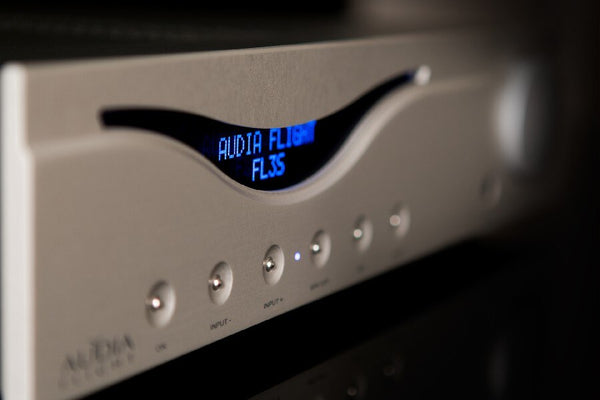
Instead of a wiper, Audia Flight switches a ladder of fixed resistors with relays. Each step keeps the output impedance identical, which is why the detail does not fade and the hiss never arrives. Turn the volume on a Strumento preamp and you hear the relays click through their steps. That constant impedance is what people are describing when they talk about sounds emerging from a completely black stage, and you do not get it from an ordinary control.

The implementation climbs with the line. The entry Flight uses a high-quality bought-in potentiometer, the Alps Blue, as a deliberate cost decision. FLS and Strumento use Audia Flight's own constant-impedance designs. And on the Strumento Signature the volume control was redesigned again to run quieter still, with its own better resistors. Same principle throughout, executed a little further at each tier.

From Cast Aluminum to CNC Billet

The same technologies run through every line; the chassis quality steps up as you climb. Flight is cast aluminum, FLS is machined aluminum, Strumento is CNC-machined billet. Every line is available in silver or black.

Audia Flight Strumento CNC-machined billet chassis
Audia Flight Strumento CNC-machined billet chassisBuild climbs with the line: cast aluminum on Flight, machined aluminum on FLS, CNC billet on Strumento. Silver or black across the range.

From Cast Aluminum to CNC Billet

The engineering carries down the whole range, but the metal it is built into climbs. Cast aluminum on the entry Flight, machined aluminum on FLS, CNC billet on Strumento.

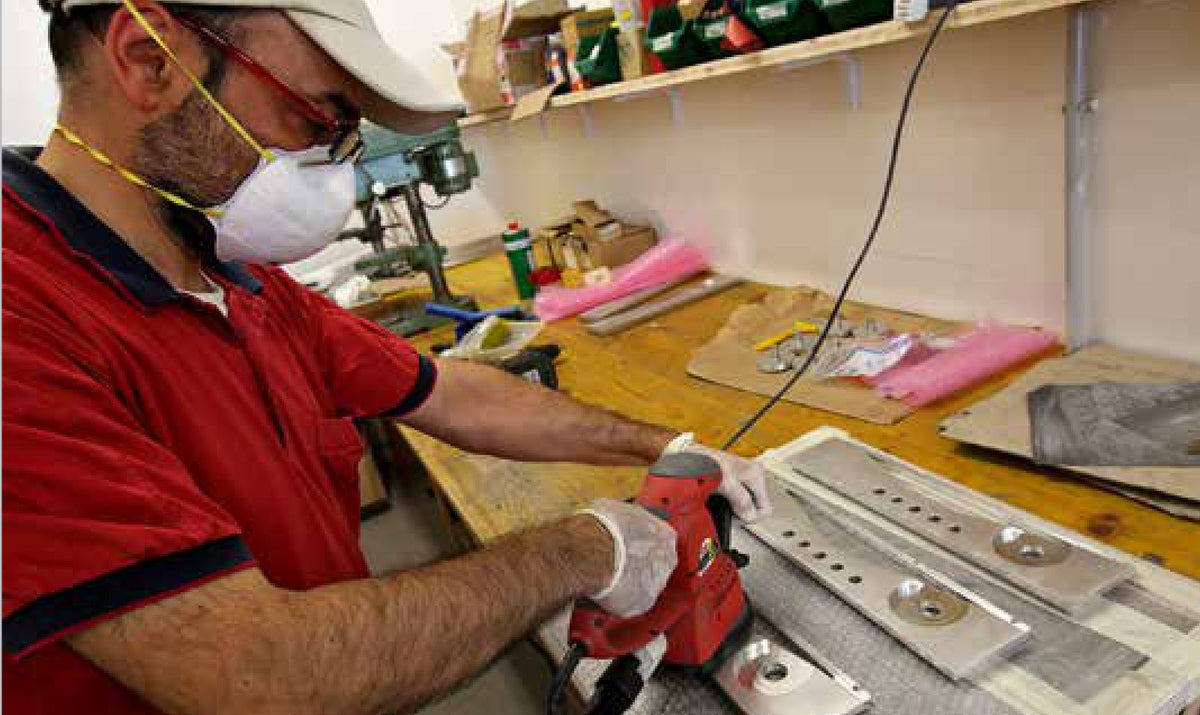
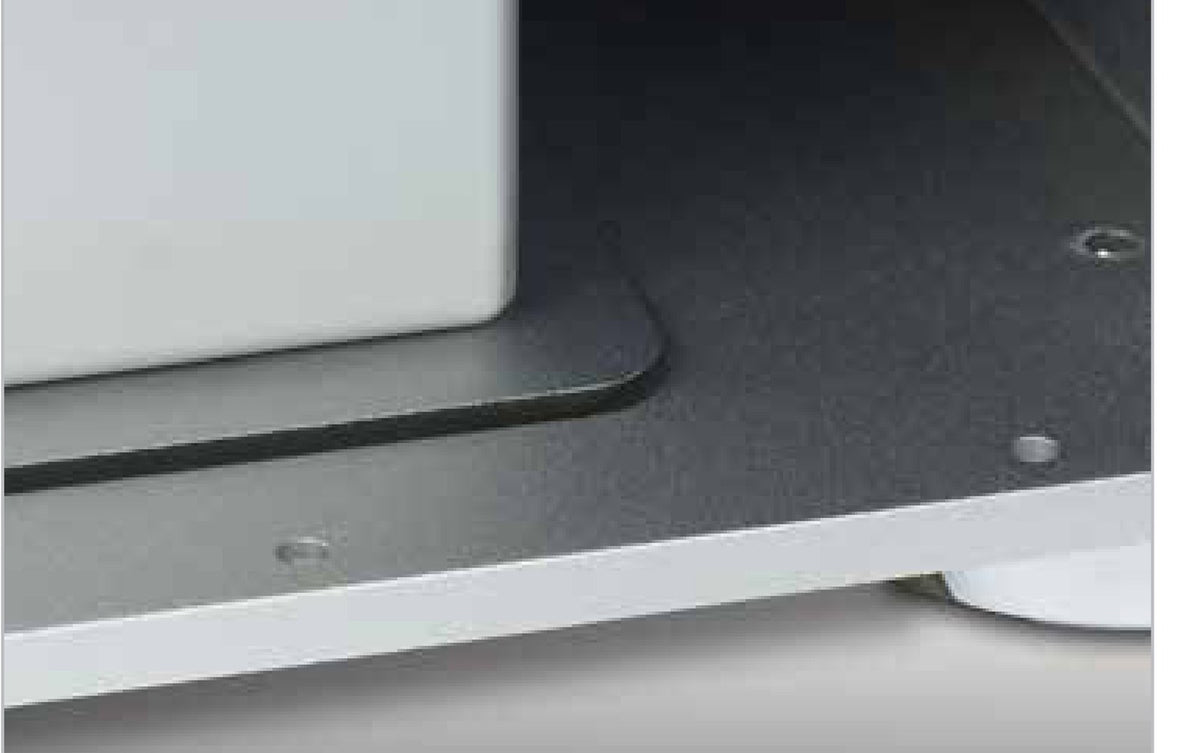
The current feedback, the power supplies, and the volume control run through every line. What changes as you move up is the metal they live in. The entry Flight uses a cast-aluminum chassis, a real cost decision that keeps the price down without touching the circuit. FLS steps up to machined aluminum. Strumento is machined from CNC billet, which is part of why the flagship looks and feels the way it does.

Finish is your choice. Silver or black is available across the range, including the Signature; the case is the same either way, with a Signature badge to mark it. The Listening Room typically stocks silver, and anything can be ordered in black.

Engineered on Paper, Voiced by Ear

Every product is voiced by ear, not just measured. Marzi and Nardini, plus Massimo of sister-company Alari (a former audio-magazine editor), listen and swap components until it sounds musical rather than merely flat. It is the same method that took the first amplifier three years to finish.

Engineered on Paper, Voiced by Ear

Audia Flight designs on paper and knows what a circuit will do. Then they sit down and listen, and change parts until the music is right. That is the step most of the industry skips.

A circuit can measure perfectly flat and still sound sterile, and Audia Flight will tell you so. So after the engineering is done they do the part most companies skip: they sit down and listen, and they change components until the music is right. It is slow, subjective work, and it is why the first amplifier took three years to reach the market.

They do not do it with one set of ears. Marzi and Nardini listen, and so does Massimo of Alari, the loudspeaker company that shares their building and who once ran an Italian audio magazine. Three trained listeners, one goal: not a flat line on a graph, but a component that gets out of the way of the music.

We are not only looking for a good instrument to reproduce music; we try to convey emotion to the audience that will make a listener cry. When we work on new products, we spend a long time listening, trying different components and different brands.

- Massimiliano Marzi and Andrea Nardini

The Signature Approach

The Strumento Signature is the standard Strumento, refined. Same design, stepped-up components: higher-grade capacitors and resistors, even larger storage, and a volume control redesigned to run quieter, every choice made by listening. That is why it costs more, and why the step up is audible.

Audia Flight Strumento Signature monoblock
Audia Flight Strumento Signature monoblockThe Strumento Signature is the standard Strumento refined: higher-grade capacitors and resistors and a quieter volume control, every part chosen by ear.

The Signature Approach

Same model, refinedNot a new design, better parts chosen by ear

For the 30th anniversary, Audia Flight did to the Strumento what they did to their first amplifier in 1994: kept the design and improved it part by part, by listening.

For the thirtieth anniversary, Audia Flight asked the question that started the company: what can we do to make this sound better? The answer was the Strumento Signature, and it was built the way the Flight 100 was. It is not a new design. It is the Strumento, refined part by part, each change kept only if it made the music better.

That refinement lives in the components. The standard Strumento already runs banks of Mundorf capacitors and a serious power supply; the Signature steps the parts up again, with higher-grade capacitors and resistors, even larger storage, and a volume control redesigned to run quieter still. None of it is chosen from a spec sheet. Every part is chosen for what it does to the sound. That is why the Signature costs more: not a redesign, but a great deal of better parts, each one earned by ear.

Flight vs FLS vs Strumento

FeatureFlightFLSStrumento
PositionEntry into current feedbackMid line, trickle-down from the flagshipCost-no-object flagship
ChassisCast aluminumMachined aluminumCNC billet
What it coversIntegrated amp + CD playerIntegrateds, separates, sourcesSeparates only (pre + power)
Rated loads8 and 4 ohmsDown to 2 ohmsDown to 2 ohms
Volume controlAlps Blue potentiometerAudia Flight in-houseAudia Flight in-house (Signature: quieter)
Fitting boardsTop off, ribbon cableSlide-in, easySlide-in (rarely used at this level)
Feedback topologyCurrent feedbackCurrent feedbackCurrent feedback

The Audia Flight Lineup

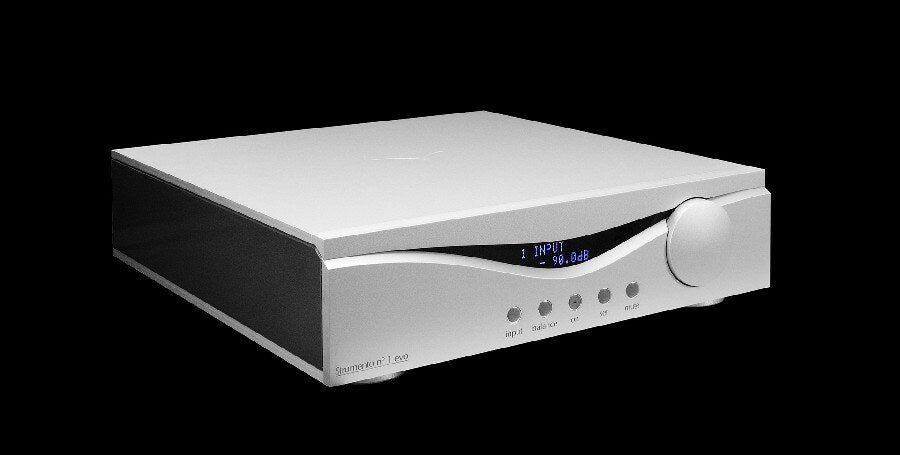
Three lines, one engineering philosophy. Flight is the entry into current-feedback amplification. FLS is the trickle-down from the flagship at a more reachable price, and the widest line, with integrateds, separates and sources. Strumento is the cost-no-object flagship, separates only. Everything below is live at The Listening Room. Prices are shown per piece.

Strumento

Flagship, cost-no-object | CNC billet | Separates only | Current feedback into 2 ohms

Strumento at a Glance

ModelTypeNotesPrice (each)
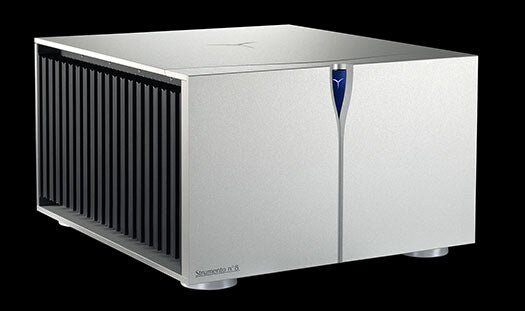
Strumento no.1 evoPreamplifierFully analog, in-house relay-ladder volume, modularFrom $29,999
Strumento no.4 mk2Stereo Power AmpMonoblock voicing in a single chassisFrom $34,999
Strumento no.8Mono Power Amp500W/8Ω, 1000W/4Ω, 2000W/2ΩFrom $39,999

FLS

Trickle-down from Strumento | Machined aluminum | Integrateds, separates and sources | Rated to 2 ohms

FLS at a Glance

ModelTypeNotesPrice
FLS 1PreamplifierFully balanced, headphone stage, optional phono/DAC boardsFrom $9,999
FLS 4Stereo Power AmpRated to 2 ohms$11,999
FLS 8Mono Power AmpMonoblock for the most demanding speakers$11,999
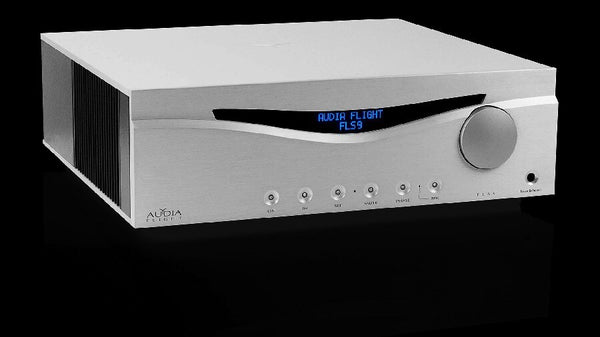
FLS 9Integrated AmpFully balanced integrated, modular boardsFrom $8,999
FLS 10Integrated AmpMore power and storage than the FLS 9From $14,999
FLS20SACD PlayerPlays SACD and CD, optional streaming board$21,999
FL PhonoPhono StageStandalone phono preamp, separate power supply$6,999

Flight

The entry into current feedback | Cast aluminum | Integrated + CD | 8 and 4 ohms

Flight at a Glance

ModelTypeNotesPrice
Flight Three SIntegrated Amp100W/8Ω, 160W/4Ω, optional USB DAC + phono boardsFrom $4,499
CD Three SCD PlayerMatching CD player, optional digital input boardFrom $4,999

Add-On Boards

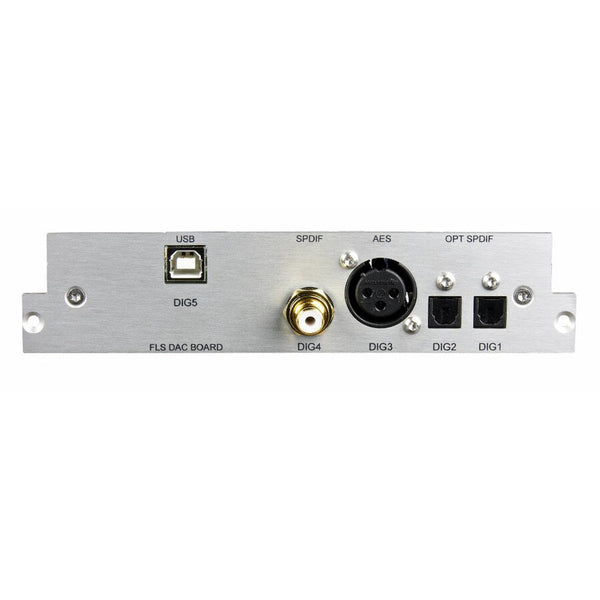
Modular DAC, phono and input-expansion boards for the Flight and FLS lines

Modular by Design, Built to Order

Most components are modular: order DAC, phono, or input-expansion boards and fit them. Easy slide-in on FLS and Strumento; the entry Flight needs the top off and a ribbon cable, so spec it up front. Most of the line, all Strumento, is built to order. Silver or black throughout.

Audia Flight FLS 10 integrated amplifier

Most Audia Flight components are modular. If you want an internal phono stage or a DAC, you order the board and it goes in. On the FLS and Strumento, fitting a board is genuinely simple: a couple of Phillips screws, slide the board in, done. On the entry Flight the boards are a little more involved, the top comes off and a ribbon cable connects inside, so it is worth deciding up front if you want the USB DAC or phono board fitted from the start.

Because so much of the line is built to order, especially Strumento, you can spec a piece the way you want it: empty, fully loaded, or empty now with boards added later. Finishes are silver or black across the range, your choice, including the Signature.

Hans Wetzel, SoundStage! Ultra, on the FLS10 integrated

Audia Flight's FLS10 is a terrific integrated amplifier. It's hand-built to a high standard, with a solidity that's impressive for the price.

Hans WetzelSoundStage! Ultra, on the FLS10 integrated

Why Buy Audia Flight from The Listening Room

Most of the range is built to order, so the choices (line, boards, finish, FLS vs Strumento) are worth a phone call first. Mike gives honest, right-fit guidance and handles system matching. Personal delivery and setup on Strumento; careful packing and phone support on FLS and Flight. 410-239-2020.

Audia Flight is not a line you buy off a shelf. Most of it is built to order, and the choices matter: which line, which boards, silver or black, whether the FLS is the right stop or the Strumento is worth the reach. That is exactly the kind of buying I like to do over the phone before you spend the money. I have been selling high-end audio through three generations of this family business, and I will tell you honestly where the sweet spot is for your speakers and your room, even if it points you to the cheaper piece.

System matching is most of the value here. An Audia Flight amplifier is built to take control of a speaker, so the real question is what you are driving with it and what you want out of it. Give me a ring and we will work through it: your speakers, your room, the rest of the system, and where you want to end up.

For a Strumento, I will personally handle delivery and setup. For the FLS and Flight pieces, everything ships carefully packed, with me on the phone through setup if you want the help. Either way you are dealing with the owner, not a call center.

Give me a ring. 410-239-2020, or mike@listenroom.com.

Frequently Asked Questions

What is current-feedback amplification, and why does Audia Flight use it?

It is the type of feedback inside the amplifier. Almost all amplifiers use voltage feedback, which is cheap and measures very low distortion but struggles with high-speed transients, the sharp attack of a cymbal or a drum hit. Current feedback handles those transients cleanly, with lower phase shift, so timing and imaging hold together even in dense music. It is harder and more expensive to build because it leans hard on the power supply, which is why most companies skip it. Audia Flight uses it across the entire range, down to the entry Flight Three S.

What is the difference between the Flight, FLS, and Strumento lines?

Same three technologies, three levels of execution. Flight is the entry: an integrated amp and a matching CD player in a cast-aluminum chassis, rated at 8 and 4 ohms. FLS is the mid line and the widest, with integrateds, separates and sources, trickle-down engineering from the flagship, and ratings down to 2 ohms. Strumento is the cost-no-object flagship, separates only, in a CNC-billet chassis with the largest power supplies. If you are not sure which line fits your speakers and room, give Mike a ring at 410-239-2020.

What is the Strumento Signature?

It is the standard Strumento, refined for the thirtieth anniversary. The design carries over; what changes is the components. Audia Flight voiced it by ear, part by part, stepping up to higher-grade capacitors and resistors, even larger storage, and a volume control redesigned to run quieter. It is a step up in sound, and in price, for a listener who wants the design taken as far as it goes. It comes in silver or black, like the rest of the range.

Why does the volume knob click?

That is the constant-impedance volume control working. Instead of a wiper sliding along a resistive strip, Audia Flight uses a ladder of relays and fixed resistors. Each click switches in a precise resistor so the output impedance stays the same at every setting. A standard wiper pot changes impedance as you turn it down, which costs detail and can add hiss at low volume. The relay ladder keeps the background dead-silent and the detail intact from a whisper to full volume.

Can I add a DAC or phono stage inside an Audia Flight component?

Yes. Most of the range is modular. On the FLS and Strumento, boards slide in with a couple of screws. On the entry Flight the top has to come off and a ribbon cable connects inside, so it is best to order the Flight with the USB DAC or phono board fitted from the start. You can also order a piece empty now and add boards later.

Where is Audia Flight made?

In Civitavecchia, Italy, the port city about 70 kilometers up the coast from Rome. Everything is built by hand, with as many parts as possible sourced in Italy, and most of the range, all of the Strumento line, is built to order.

Is Audia Flight a good match for hard-to-drive speakers?

That is one of its strengths. The power supplies are built to hold steady into difficult loads, so many models are rated down to 2 ohms, and the flagship Strumento no.8 monoblock doubles its output as the load drops: 500 watts into 8 ohms, 1000 into 4, 2000 into 2. The whole design is built to keep a demanding speaker completely under control. The entry Flight Three S is the exception, rated at 8 and 4 ohms, not 2. Tell Mike what you are driving and he will tell you which piece has the grip you need.

Is Audia Flight available in silver or black?

Both, across the whole range, including the Strumento Signature. The chassis is the same either way. The Listening Room typically stocks silver, and any model can be ordered in black. Because most of the range, and all Strumento, is built to order, finish is simply part of the order.

Hear Audia Flight at The Listening Room

Thirty years of Italian amplifiers built to disappear and take control of the speaker. Browse the full Audia Flight range, or give Mike a ring at 410-239-2020 to work out which line fits your system.

Browse the Audia Flight Collection