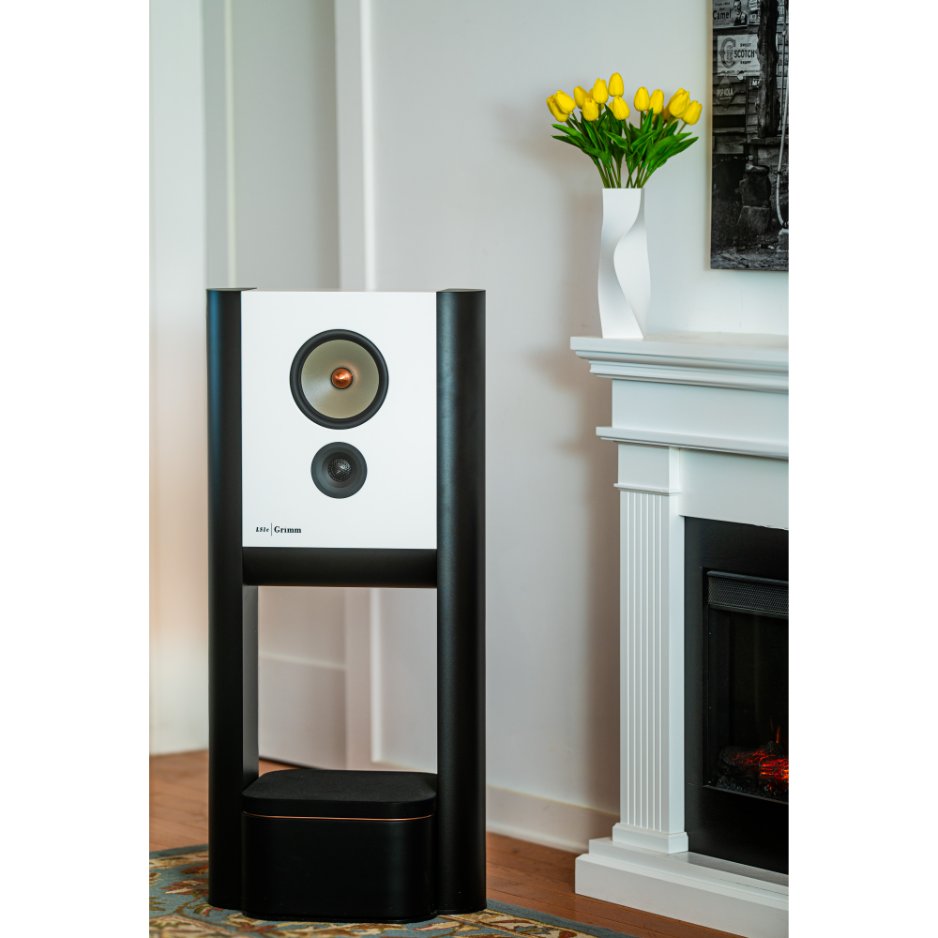
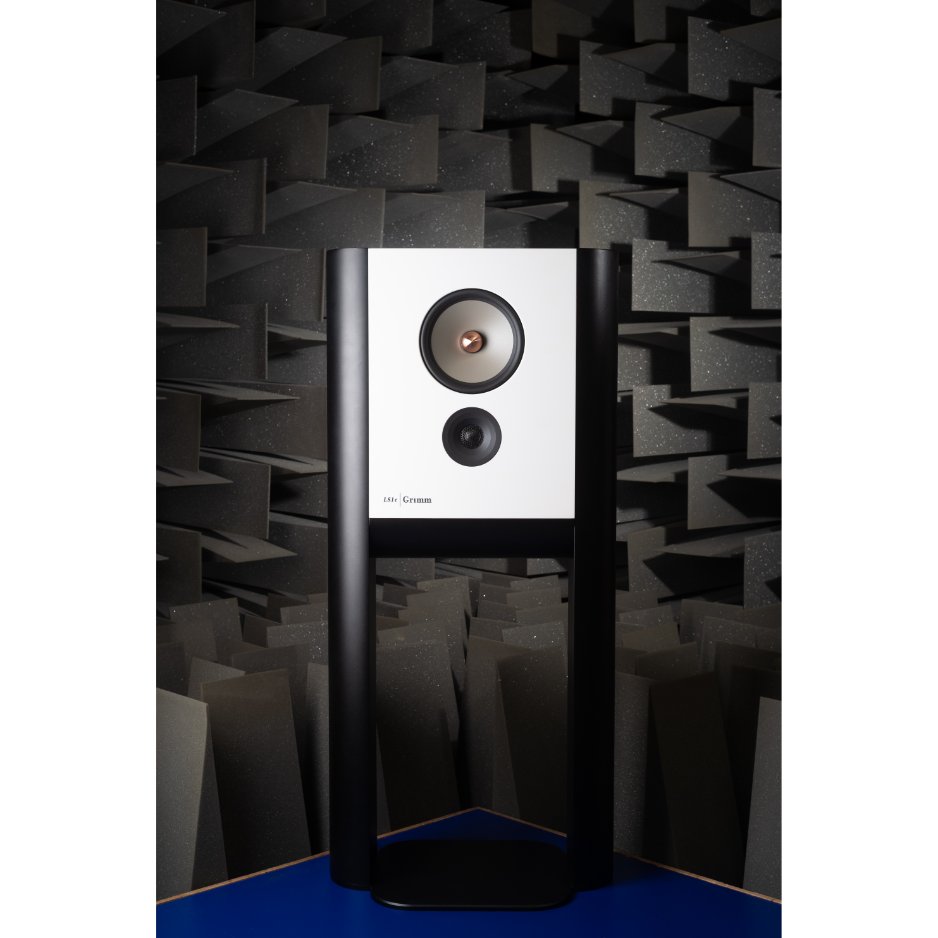
Grimm Audio LS1c Loudspeaker
Need advice? Want a price match?
Talk to Mike
Third-generation owner
Call or text: 410-239-2020Yes, that's literally his cell
At this level, every detail matters: your room, your system, what you’re driving it with, what you’re listening to. I handle these orders personally because an investment like this deserves more than an Add to Cart button. We’ll work through system synergy, I’ll make sure the setup is right, and we’ll coordinate delivery so it arrives exactly how it should. A few of our brands require this direct approach, but at this price point, it’s how I’d do it anyway. Use the button above, or call/text me directly at 410-239-2020.
Availability
Availability
See our Terms & Conditions for details.
Family-Owned Authorized Dealer
Family-Owned Authorized Dealer
We're an authorized dealer for every brand listed on this site, so your warranty is valid and fully supported. We're a real brick-and-mortar shop in Chestertown, MD with shelves of actual inventory, not a drop-shipper. Family-owned and run for three generations, since 1978.
*Free Delivery and Shipping
*Free Delivery and Shipping
Free shipping for most items over $100! Local delivery up to 500 miles more with minimum qualifying purchase.
See our shipping policies for details. We will contact you after your order.
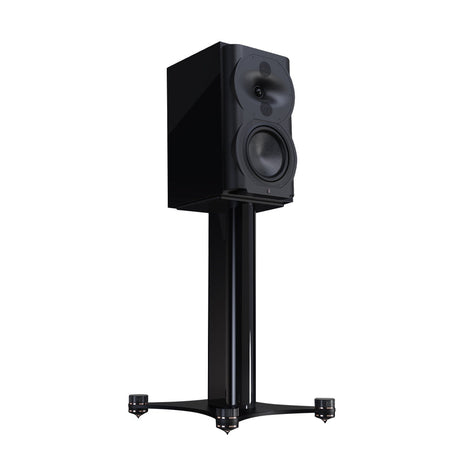
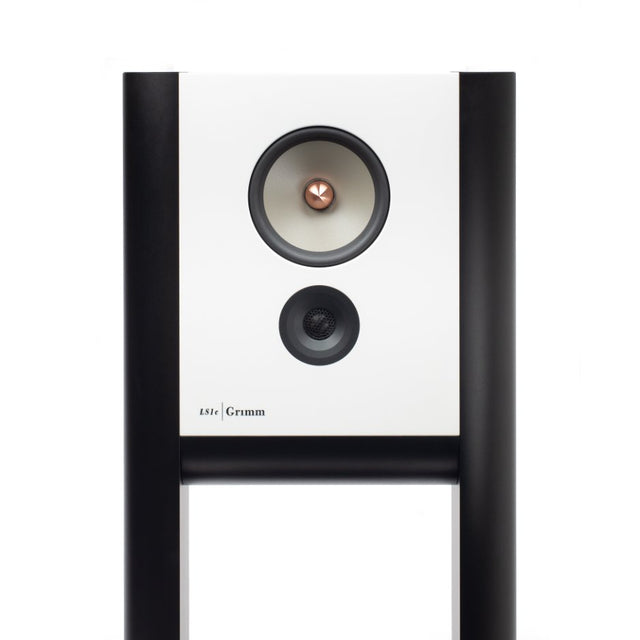
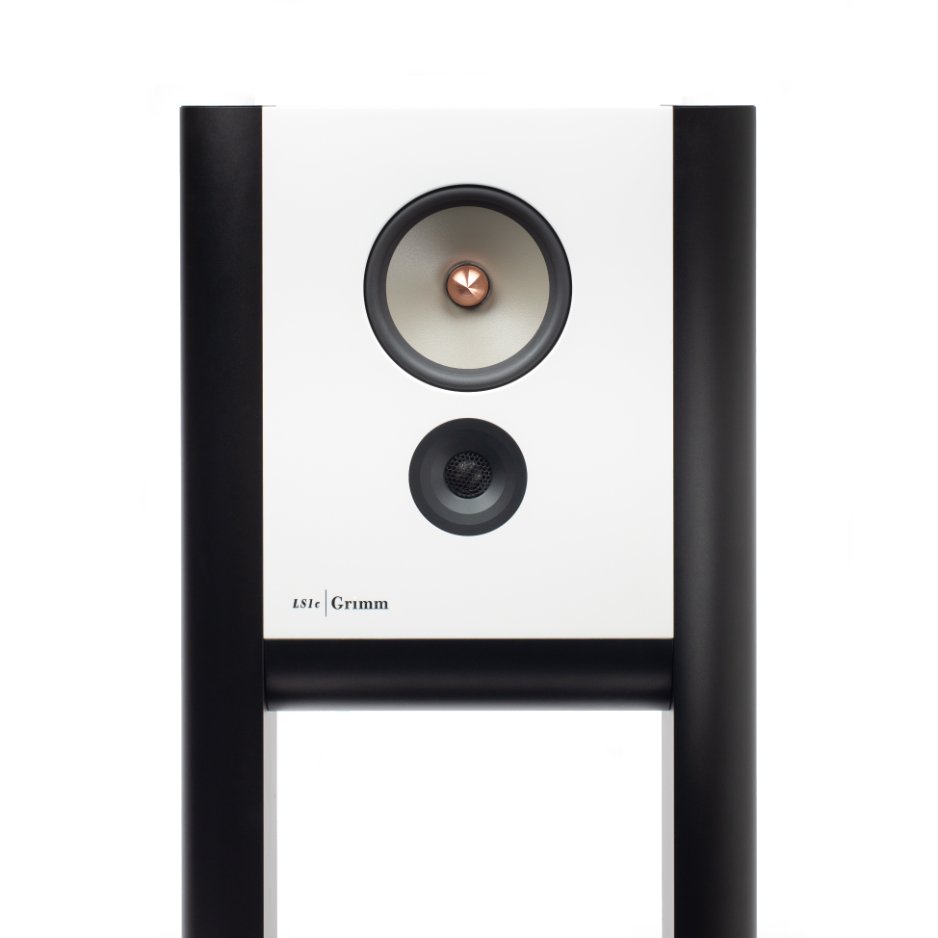
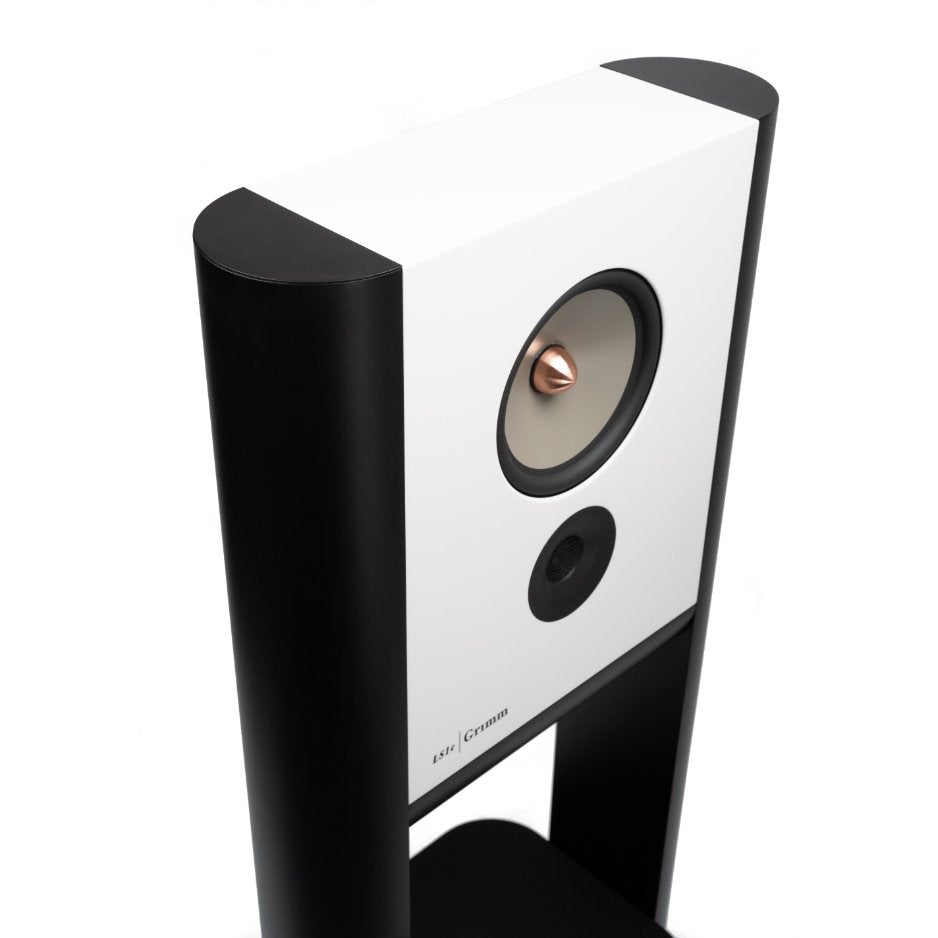
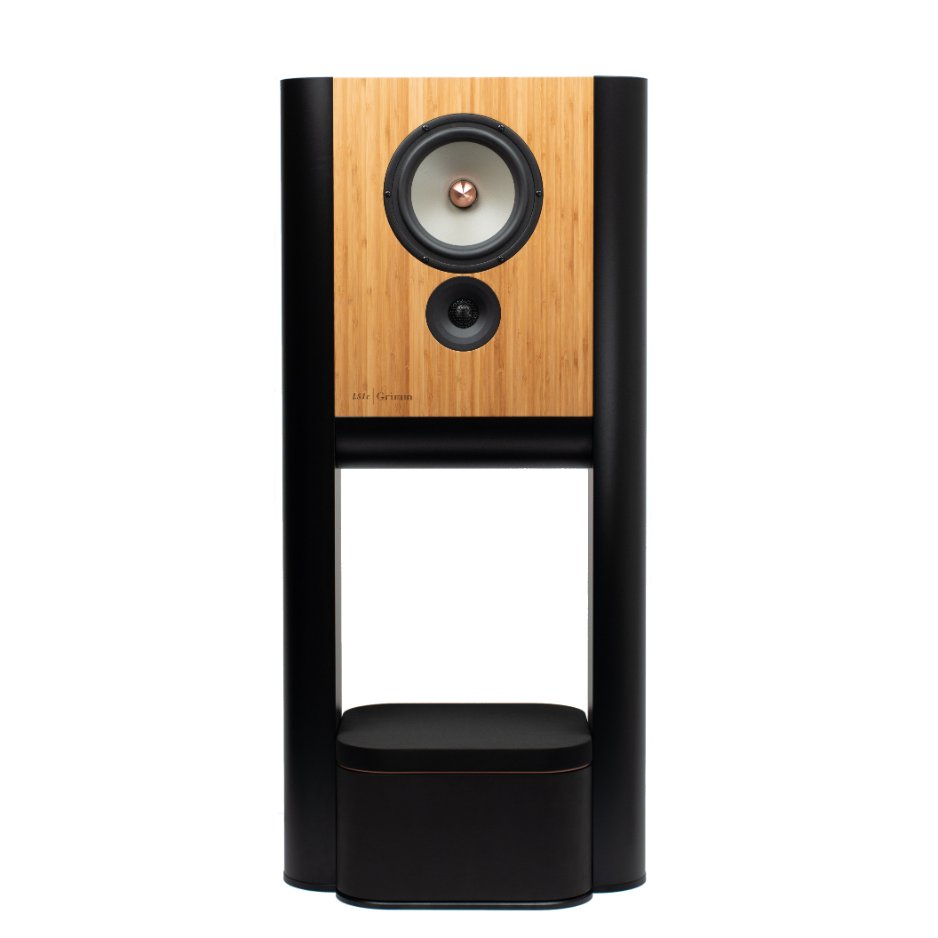
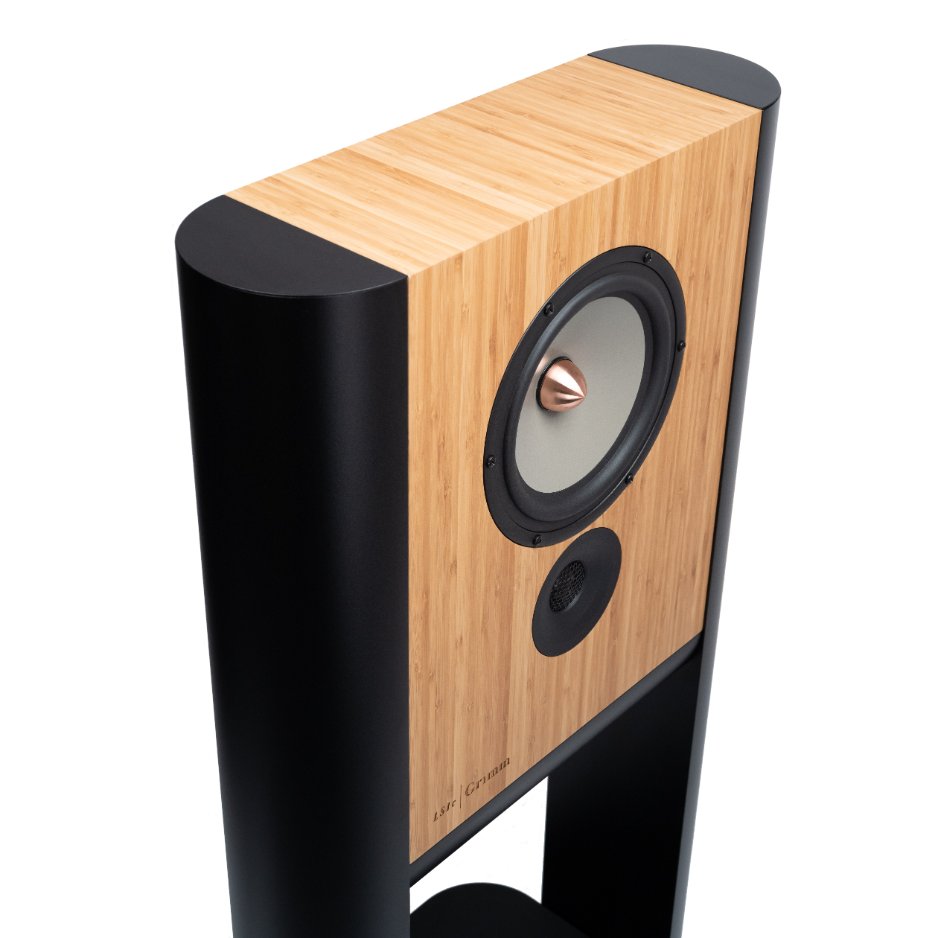
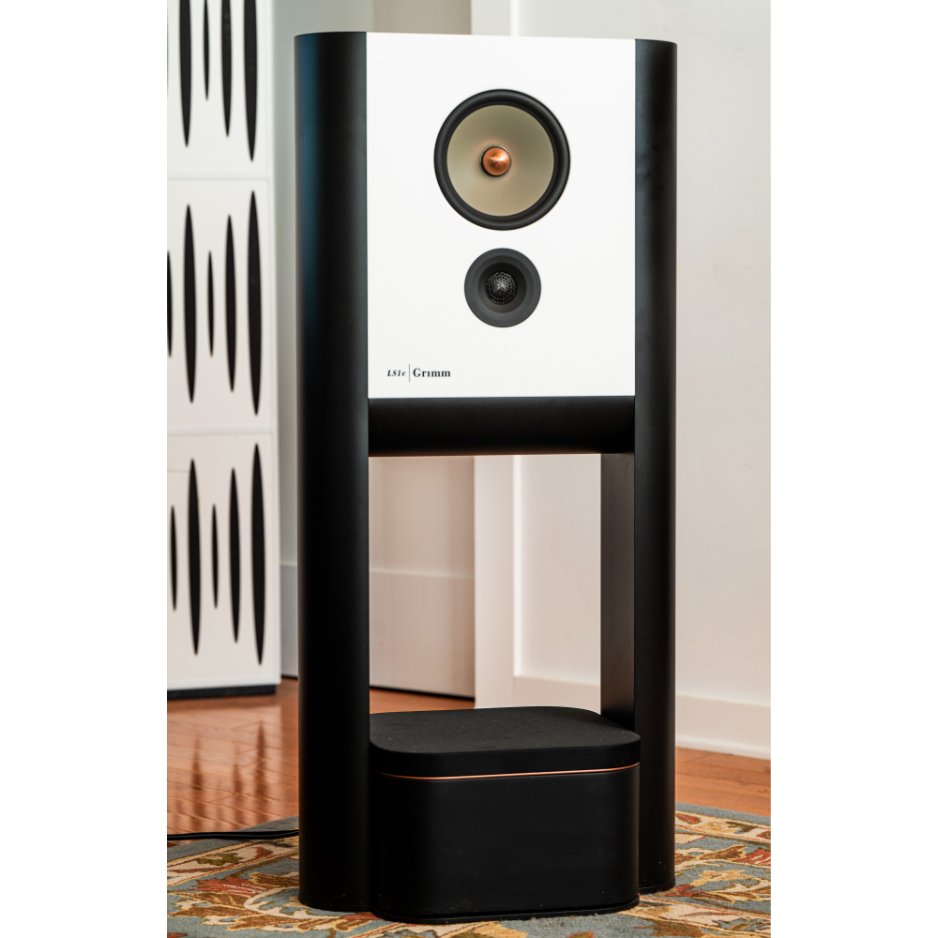
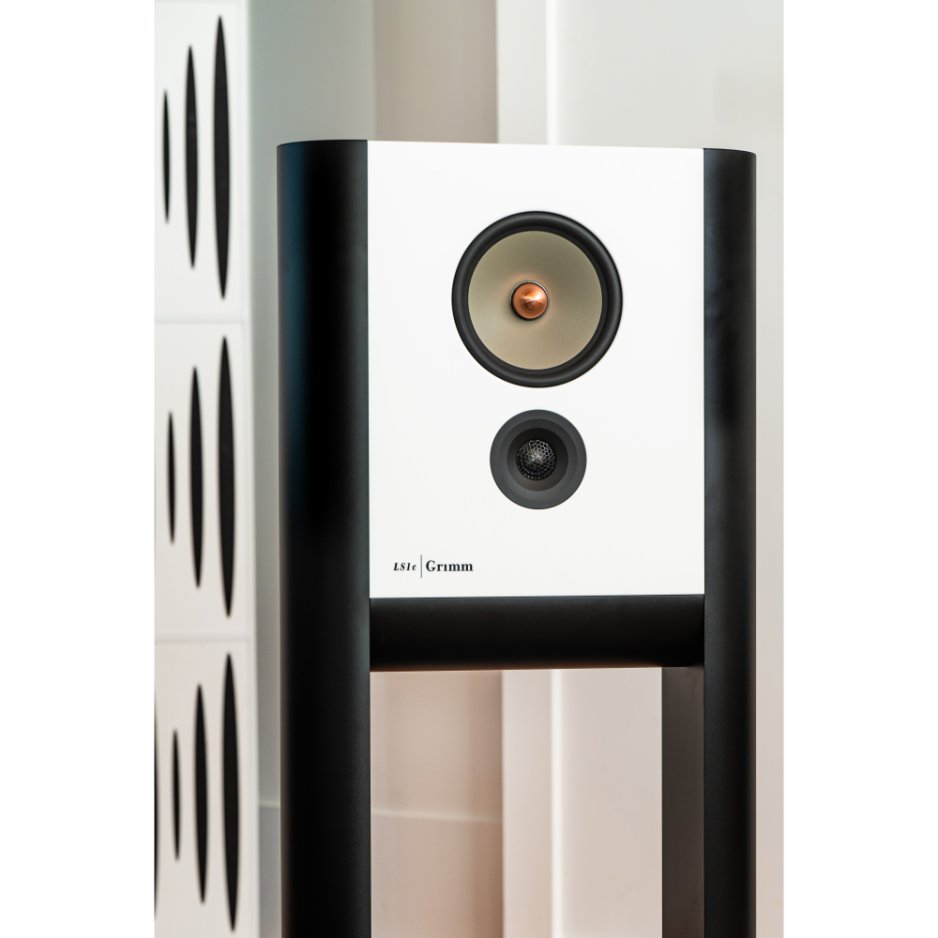
Grimm Audio LS1c Loudspeaker
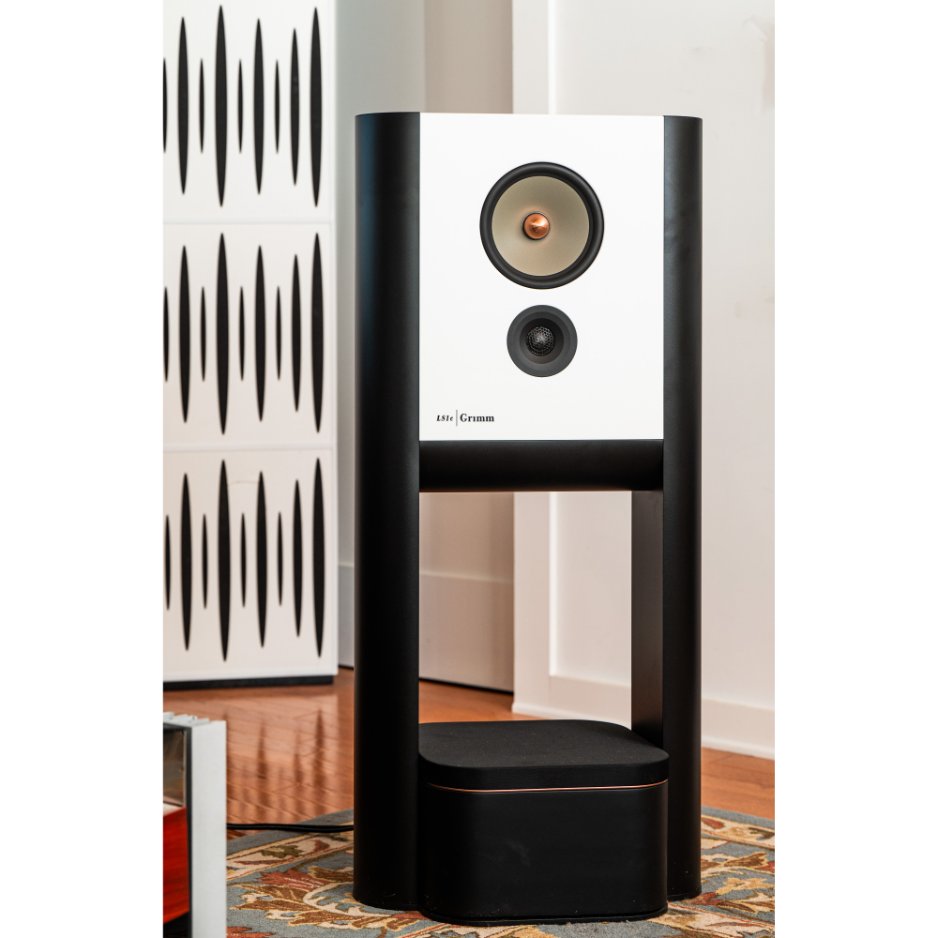
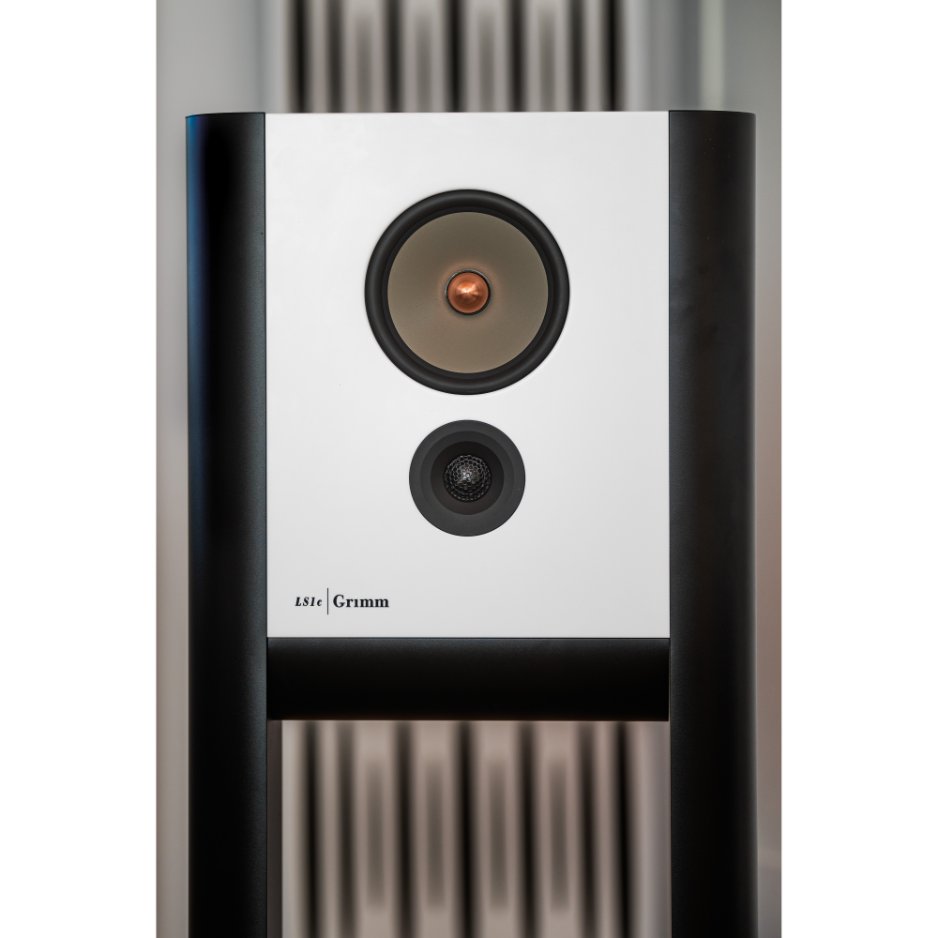
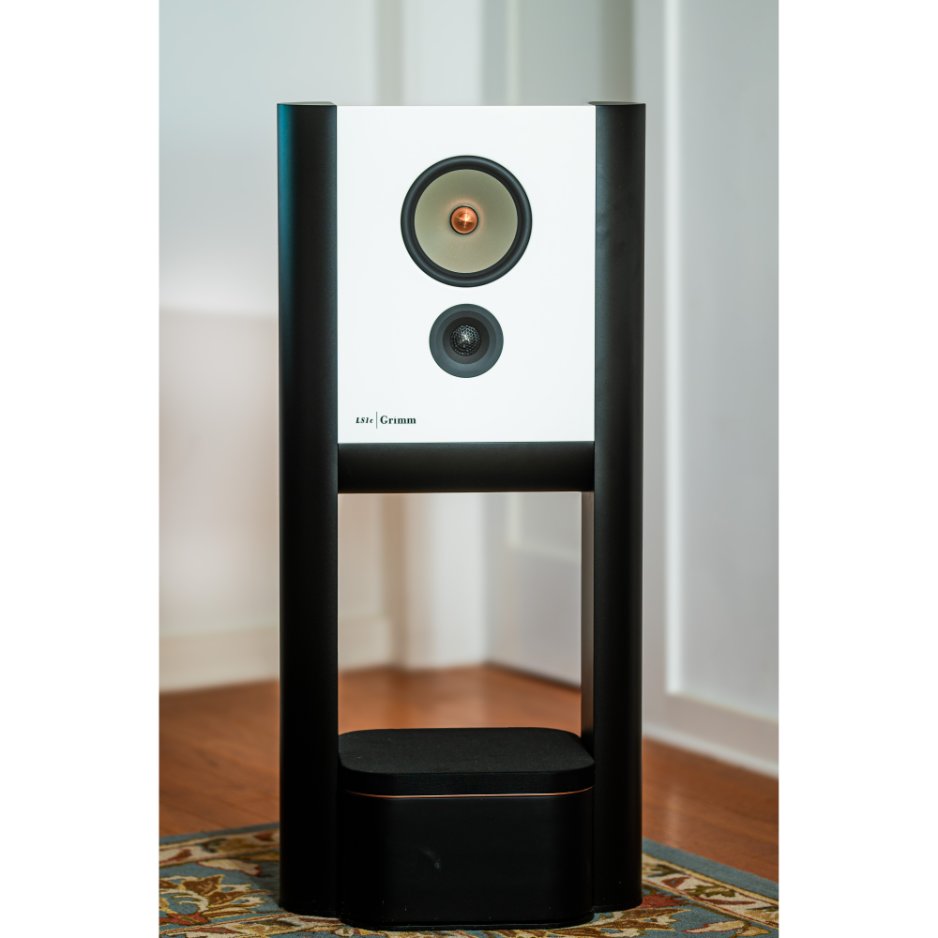
What if a loudspeaker was not just a passive box, but a complete, perfectly integrated playback system where every single element works in perfect harmony? This is the revolutionary vision behind the Grimm Audio LS1c. As the flagship of the LS1 series, the LS1c is the ultimate expression of this philosophy, a fully active loudspeaker that contains its own DSP, D/A converters, and NCore power amplifiers. At its heart is a groundbreaking TPCD Carbon Composite tweeter, developed with SEAS, and an advanced DSP crossover with phase correction filters derived from the legendary MU1. The result is a level of transparency, phase coherency, and tactile imaging that is simply unattainable with separate components. This is not just a loudspeaker; it is a direct window to the original recording.
Key Features
- Fully Integrated Active System: A complete playback system with internal DSP, D/A converters, and NCore power amplifiers for the purest possible signal path.
- Revolutionary TPCD Carbon Tweeter: A unique, wide-dispersion tweeter developed with SEAS, providing incredible integration and a seamless, "as one" sound.
- Advanced DSP Crossover: A powerful DSP performs the crossover with ultimate precision and features advanced phase correction filters derived from the MU1 for extraordinary time coherency.
- Unidirectional Sound Field: The speaker is designed to be unidirectional down to 250 Hz, dramatically reducing unwanted room reflections for a clearer, more focused stereo image.
- Superb Off-Axis Response: Delivers a consistent, high-quality sound over a wide listening area, not just in a single "sweet spot."
- Digital and Analog Inputs: Accepts both digital and analog sources for complete system flexibility.
- High-Resolution Playback: Supports 64/128 fs DSD and DXD playback via the optional LS1i USB interface.
- Seamless Subwoofer Integration: Features a filtered analog subwoofer output designed for perfect integration with the SB1 Digital Motion Feedback subwoofer.
- Ultra-Low Distortion Amplification: Employs super-low distortion NCore class D power amps to drive the woofer (250W) and tweeter (100W) with absolute control.
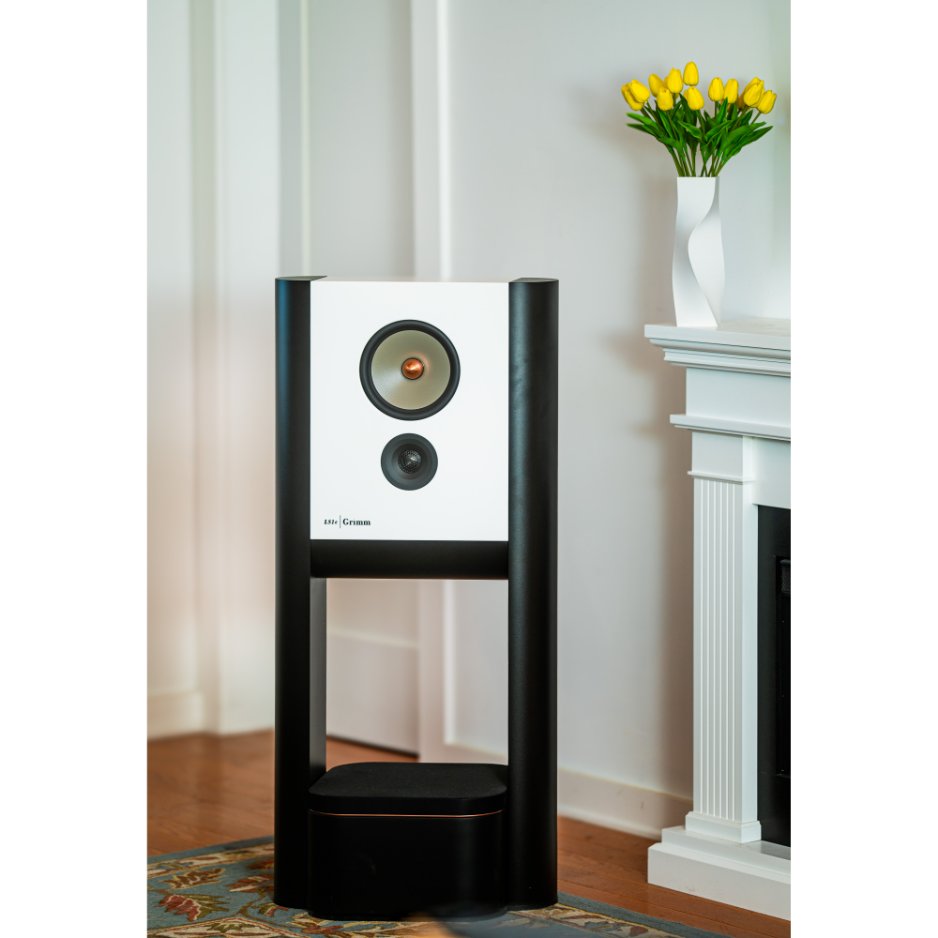
- Elegant Cabinetry: Available in a stylish ‘Hi-Macs’ synthetic stone finish, traditional bamboo veneer, or a classic lacquer look.
- Remote Controllable: Volume and source selection can be controlled via the optional LS1r remote controller.
The "One System" Philosophy
The LS1c is built on a radical principle: ultimate transparency can only be achieved when the entire playback chain is a single, optimized system. By integrating the DSP, D/A converters, amplifiers, and drivers into one chassis, Grimm Audio's designers have complete control over every interaction. This allows them to correct for nonlinearities in a way that is simply impossible with separate components. The result is an incredibly linear amplitude and phase response, vanishingly low distortion, and a sound that is so coherent and seamless it sounds as if it's emanating from a single point in space.
The Revolutionary Carbon Tweeter
The flagship LS1c is defined by its groundbreaking TPCD Carbon Composite tweeter. This driver, developed in cooperation with SEAS, offers a uniquely wide dispersion pattern that contributes to the speaker's vast, stable, and "tactile" stereo image. This is a key component in the LS1c's ability to sound so completely integrated across the entire frequency band. The speaker's clever acoustic design maintains this controlled, unidirectional dispersion down to 250 Hz, meaning you hear more of the music and less of your room's acoustic signature, resulting in a dramatic increase in clarity and focus.
The Brain: Advanced DSP Correction
The LS1c's digital signal processor is far more than a simple crossover. It is the brain of the entire system, meticulously correcting the frequency curve to be perfectly linear. More importantly, it applies advanced phase correction filters, a technology derived from the development of the legendary MU1 music player. This extraordinary phase coherency is the secret to the LS1c's uncanny ability to reproduce the subtlest rhythmic structures and microdynamics in a recording. It's this level of temporal accuracy that makes the sound so natural, realistic, and completely non-fatiguing, inviting you to listen for hours on end.
The Foundation: Digital Motion Feedback Bass
While the LS1c is a stunning performer on its own, it is designed for a seamless partnership with the SB1 subwoofer. The LS1c provides a dedicated, filtered analog output to drive the SB1, which features its own revolutionary Digital Motional Feedback (DMF) technology. This system lowers the subwoofer's distortion by an incredible 30 dB and pushes its resonance frequency below 20 Hz. When combined, the LS1c and SB1 create a truly full-range system that delivers bass with a level of detail, control, and authority that is simply unparalleled.
Grimm L1Sc Reviews
“If I didn't often have to swap amplifiers, preamps, source components, and cables for a living, I'd hold on to these exceptional monitors and enjoy the hell out of them for the rest of my days. They're that good.”
The Listening Room Difference
When you shop with The Listening Room, you get more than just gear. As a third-generation, family-run business with a passion for music and decades of experience, we offer personalized service that goes far beyond the sale. Call, text, or email, and you’ll get a real human who knows this equipment inside and out. From in-store demos to curated home system design and wide-radius delivery, we’re here to help you get the absolute best out of your purchase.
Specifications
| Performance | |
| Frequency response | 20 Hz - 27 kHz +0.5dB/-3dB. 30 Hz - 20 kHz +/- 0.5dB (unsmoothed!) |
| Deviation from linear phase | < 10 Degrees |
| Max SPL | (about) 105dB / 1m |
| Max analog input level | 19 dBu |
| Signal to noise ratio | 114dB (unweighted) |
| Amplification & Power | |
| Amplifier power | 250 W (woofer); 100 W (tweeter); 400 Watt (per Sub) |
| Power consumption | Idle power, drawn from mains: 16W per LS1. |
| LS1i USB Power | Current drawn from USB: 250mA. Maximum allowed USB cable length: 2m. |
| Crossover & Processing | |
| Crossover functions | 1550 Hz - 4th order Linkwitz Riley, sum corrected to linear phase. 70 Hz - 2nd order Linkwitz Riley (3-way system) sum corrected to linear phase in normal mode, not corrected in ’low-latency‘ mode. |
| Supported sample rates | 44.1 - 192 kHz. Via USB with LS1i USB interface: 44.1 - 384 kHz ('DXD'), DSD64 and DSD128. |
| Latency | 7.3 ms (2-way and in ’low-latency‘ mode). 40 ms (3-way). |
| General | |
| Default Level Setting | ’0‘ setting gives 79 dBC at listening position with a -20 dBFS reference noise (’K14‘). |
| Dimensions (Height) | 1150mm (Hi-fi use) or 1450mm (Studio use) |
| Dimensions (Width, Depth) | 520mm x 160mm |
| Internal cabinet volume | 14 liters |
Do I need an amplifier, DAC or preamp with the Grimm LS1c?
Do I need an amplifier, DAC or preamp with the Grimm LS1c?
No. The LS1c is fully active: the DSP, converters and Hypex NCore amplifiers live in one of each speaker's legs, so it needs only an analog or digital source. Volume and source selection happen inside the speaker's DSP and are controlled from an LS1r controller, an MU1 music player or Grimm's UC1. Get in touch with Mike to plan the source and control side of the system.
Can the Grimm MU1 connect digitally to the LS1c?
Can the Grimm MU1 connect digitally to the LS1c?
Yes, and Grimm calls the MU1 the LS1c's natural companion. It sends digital audio and control data from its LS1 Control Out into the first speaker's Control In over Grimm's own cat5 cable, and lets you adjust every loudspeaker parameter. Other sources work too: a CD transport, streamer or phono stage can go straight into the speaker's analog XLR input or its AES digital XLR input, and a computer can connect through the LS1i USB interface.
Do I need Grimm's subwoofers with the LS1c?
Do I need Grimm's subwoofers with the LS1c?
Not for most music. Grimm says the two-way LS1 plays a full range at adequate levels for most music, and benefits from low-frequency support with a lot of sub-50Hz content at high levels. The LS1s extends the response to 20Hz, and the motion-feedback SB1 goes further, lowering distortion by 30dB and the resonance below 20Hz according to Grimm's LS1c page. Both can sit on the speaker's footplate or elsewhere, with a sub delay setting to time-align them.
Does the LS1c have room correction?
Does the LS1c have room correction?
Not automatic room correction, by design. Grimm says room-correction DSP depends too much on where the listener sits and that every approach it tried compromised the LS1's performance, though you are free to experiment. Instead it provides high and low shelf EQ and a balance offset, with the low shelf adjustable per channel if one speaker sits in a corner. Grimm recommends solving problems first with placement and acoustic treatment, such as bass traps, and using as little EQ as possible.
How should I position the LS1c?
How should I position the LS1c?
Grimm asks for at least 80cm from the side walls, and 1.5m is better. The wide baffle makes the wall behind the speakers far less critical, and close to that wall can even be the best spot; if you do that, put absorption on the wall between the speakers. Space them 2.5 to 3m apart in an equilateral triangle with your seat, start with a 45-degree toe-in so you sit 15 degrees off-axis, and enter the angle in the control software, which adjusts the top treble to match.